Why We Stake Our Lives on "NON-GMO," "NO MSG," and "Zero Chemical Additives" Looking for the Best Restaurants in Fukuoka? Discover Authentic, Additive-Free Omakase at MAIZURU KITCHEN
2026/06/22

Looking for the best restaurants in Fukuoka for a truly memorable dining experience?
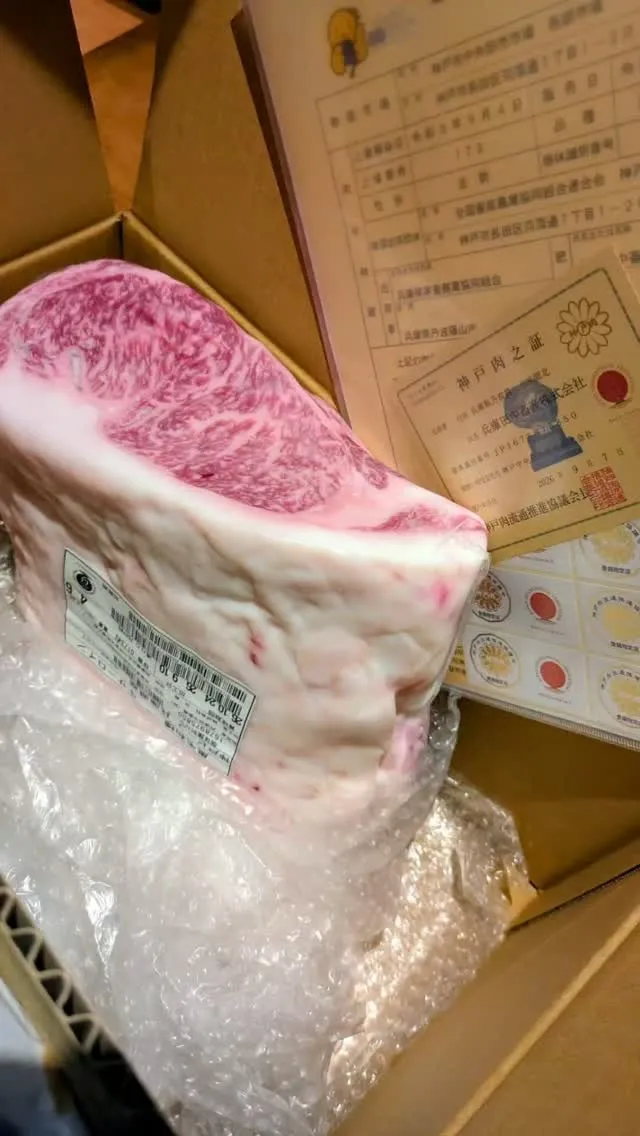
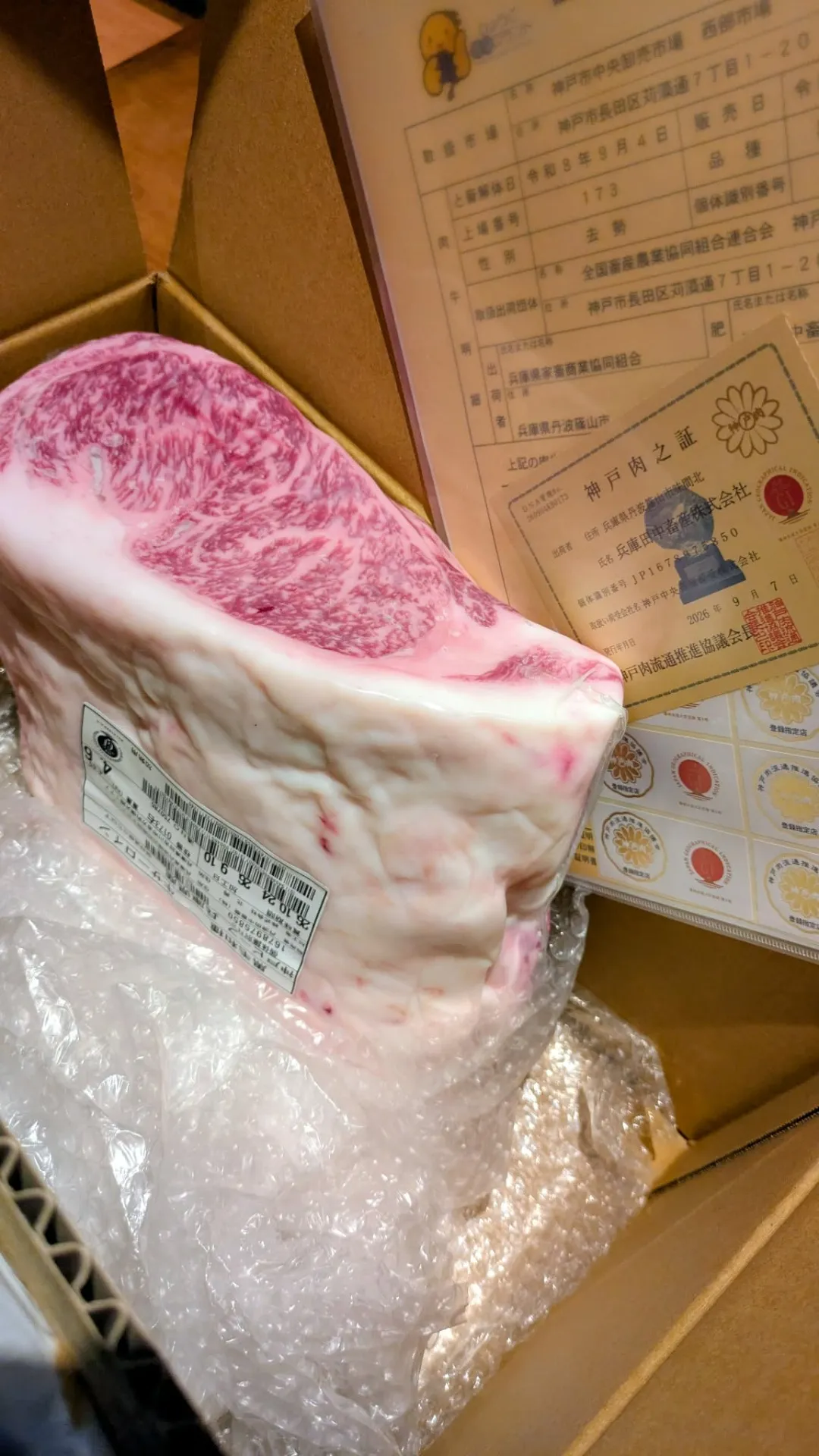
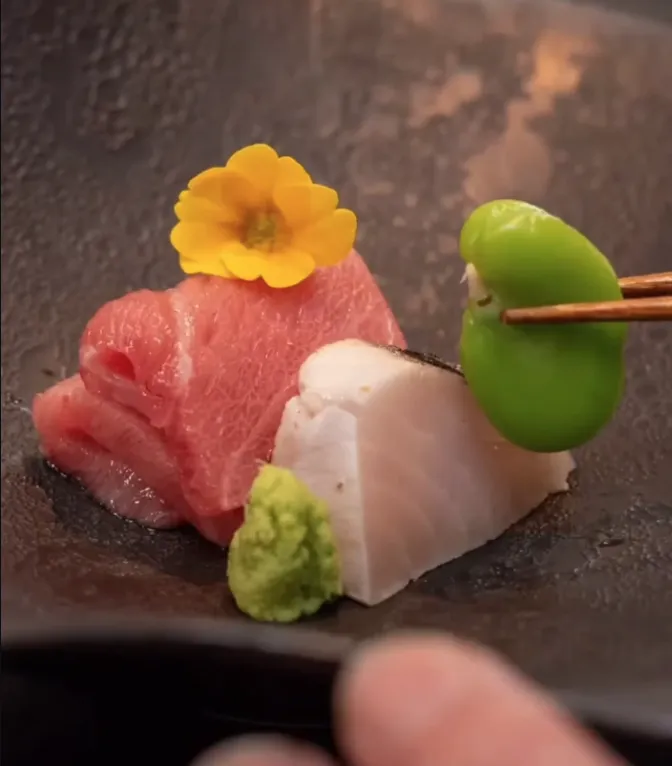
Welcome to MAIZURU KITCHEN, a reservation-only organic Japanese restaurant in Central Fukuoka (Tenjin/Maizuru). We offer an authentic omakase experience crafted with 100% natural, additive-free ingredients, Kobe Beef, wild-caught seafood, and traditional seasonings.
Why We Stake Our Lives on "NON-GMO," "NO MSG," and "Zero Chemical Additives"
The Future of Authentic Organic Japanese Cuisine, Formulated by Chef Yasukazu Okudaira
Introduction: Why Has the Modern Dinner Table Been Dominated by an "Illusion of Abundance"?
Welcome. I am Yasukazu Okudaira, the owner-chef of MAIZURU KITCHEN—a reservation-only organic Japanese restaurant nestled in the Maizuru district of Chuo-ku, Fukuoka City—and the CEO of OFC Co., Ltd.
For over 22 years, I immersed myself in the rigorous, competitive world of high-end Japanese cuisine in Tokyo. Later, I relocated my base to Fukuoka, Kyushu—a region celebrated as a treasure trove of pristine ingredients—to constantly observe and bridge the gap between the "reality" and the "ideal" of Japanese food. To date, I have personally conducted over 50 field tours across Japan, visiting traditional production sites, soy sauce and miso breweries, farms, and fisheries. I have witnessed firsthand the profound passion of these producers, as well as the steep structural walls they crash into.
Through this journey, I have developed a profound sense of urgency: The modern Japanese dining table is overwhelmingly surrounded by the unnatural.
Walk into any supermarket, and you will see vibrantly colored, inexpensive food products that do not spoil even after a month. Walk into a mainstream restaurant, and you are served heavily seasoned dishes that taste instantly "delicious" to anyone, offered at remarkably low prices. At a glance, it might seem as though we are living in the most abundant and convenient culinary era in human history.
But have you ever stopped to consider what we are sacrificing in exchange for this "convenience" and "low cost"?
-
Crops whose DNA has been artificially altered, operating on mechanisms non-existent in the natural world.
-
Chemical flavor enhancers that paralyze human taste buds and trick the brain into perceiving an artificial sense of "deliciousness."
-
Chemically synthesized food additives injected solely to extend shelf life and manipulate aesthetic appeal.
These are all byproducts of a supply-side mechanism that prioritizes efficiency and corporate profit above all else. Tragically, by living amidst this "unnatural food" for so long, many people today are losing their flavor sensors—the innate ability to perceive the delicate, subtle umami of pristine ingredients and the deep, nourishing taste of genuine dashi (Japanese broth).
"As long as my stomach is full, the ingredients don't matter."
"As long as it tastes good, I don't care what's in it."
Is that truly acceptable? Our bodies are constructed exclusively from what we consume. What you eat today shapes your mental and physical health one month, one year, and ten years from now. For corporate executives, decision-makers, and the children who will carry the next generation, choosing "what to eat" is synonymous with choosing how to design your life and the future of society.
This is precisely why MAIZURU KITCHEN enforces three uncompromising pillars:
-
NON-GMO (Complete exclusion of genetically modified crops)
-
NO MSG (Complete exclusion of monosodium glutamate and chemical seasonings)
-
NO CHEMICAL ADDITIVES (Complete exclusion of chemically synthesized food additives)
This is not a mere health-conscious propaganda campaign. It is not "organic" used as a cheap marketing catchphrase. This is my life’s work as a chef: an absolute commitment to resurrecting traditional Japanese cuisine in its purest, most untainted form and passing it down to the next generation.
In this article, I want to dive deep into why these three promises are profoundly critical today, and how they trigger a revolution within our bodies, minds, and Japan’s primary industries.
The First Promise: NON-GMO — Protecting Ourselves from the Invisible Threat of Genetic Modification
1. The Critical Misconception: "This Doesn't Apply to Japan"
When people hear the term "Genetically Modified Organisms (GMOs)," they often assume it is an issue limited to large-scale industrial farming in Western countries, bearing little relevance to the Japanese diet. After all, the packages of tofu and natto in Japanese supermarkets proudly declare "Non-GMO."
However, this is the ultimate illusion created by loopholes in labeling regulations.
The reality is that Japan is one of the world’s largest importers of GMO crops. The vast majority of corn, soybeans, canola, and cottonseed imported into Japan are genetically modified. Where do they disappear to?
They are hidden away in areas exempt from labeling: processed foods, cooking oils, high-fructose corn syrup (sweeteners), and the livestock feed consumed by the cattle, pigs, and chickens we eat. Under current regulations, if the modified DNA or proteins are broken down during processing (as in oils and syrups), or if they are used as animal feed, there is no obligation to label them as GMO. In short, while we blindly trust the "Non-GMO" labels on whole foods, we are indirectly ingesting massive amounts of GMO-derived components every single day.
2. "Herbicide Tolerance" and "Insect Resistance" That Defy Natural Order
What exactly is GMO technology? It is the artificial insertion of DNA from entirely different species into an organism to grant it traits that could never occur through natural reproduction.
The majority of commercial GMO crops possess two main traits:
-
Herbicide Tolerance: The plant survives even when sprayed with powerful chemical weed killers (such as glyphosate), which wipe out all surrounding vegetation.
-
Insect Resistance (Bt Crops): The plant itself produces a crystalline toxin that ruptures the stomachs of insects that attempt to eat its leaves.
While industrial agriculture praises this as a triumph of efficiency, as a chef and a human being, I harbor deep skepticism. Can humans continuously ingest plants that withstand massive chemical saturation, or plants that synthesize internal toxins designed to destroy digestive tracts, without experiencing long-term consequences?
International studies increasingly suggest that residual herbicides and GMO components can disrupt human gut microbiota, potentially triggering chronic inflammation, metabolic disorders, and immune imbalances. Because the scientific community has not reached a definitive consensus on absolute long-term safety, we must adhere to the "precautionary principle." If it is not proven 100% safe, we do not serve it.
3. "True NON-GMO" Practiced at MAIZURU KITCHEN
At MAIZURU KITCHEN, we look far beyond surface-level labels. We meticulously eliminate "invisible GMOs" at the root:
-
Rigorous Condiment Selection: Our soy sauce, miso, and mirin are sourced exclusively from traditional breweries that use domestic heirloom or identity-preserved organic soybeans, wheat, and rice, aged slowly in traditional wooden barrels (kioke).
-
Pristine Cooking Oils: Cheap salad oils (mostly derived from GMO canola or corn) are strictly banned from our kitchen. We use only domestically produced rapeseed oil, rice bran oil, and sesame oil extracted via traditional mechanical pressing (atsusaku-shibori), ensuring zero chemical solvents.
-
Traceable Livestock Feed: The meat we serve (wagyu beef, pork, chicken) is selected not just for its domestic origin, but for what the animals ate. We source exclusively from verified producers who raise livestock on certified Non-GMO feed, local forage rice, and natural pasture.
Tracing the entire biography of an ingredient and purging "unnaturalness" from its origin—that is the gold standard of Non-GMO at MAIZURU KITCHEN.
The Second Promise: NO MSG — Banishing Brain Illusions to Reclaim the Art of Pure Dashi Broth
1. Why "NO MSG" is a Global Standard
When you visit organic restaurants or wellness-focused establishments worldwide, the labels "NO MSG" or "MSG-FREE" are universally displayed. MSG stands for Monosodium Glutamate—known in Japan as "chemical seasoning" or "umami seasoning."
In Japan, because the word "umami" carries highly positive connotations, public wariness toward chemical seasonings is exceptionally low. It is treated as a "magic powder" that instantly makes anything taste good, used routinely not just at home, but in celebrated restaurants, luxury hotels, and traditional eateries. Recent legal changes requiring it to be labeled under the ambiguous umbrella of "Seasoning (Amino Acids, etc.)" have made its presence even more invisible to the average diner.
Why do global executives and wellness-conscious individuals fiercely avoid MSG? Because it doesn’t just add flavor; it alters the human brain and neurological taste systems.
2. The Illusion of Taste and the Destruction of Sensory Awareness
Unlike natural umami, which is extracted slowly from whole ingredients, chemically synthesized MSG is an isolated chemical compound. The moment it hits your tongue, it overstimulates the taste receptors at an unnatural speed, sending a direct pleasure signal to the brain: "This is delicious!"
This means that no matter how poor the quality of the ingredients, how stale the produce, or how hollow the culinary execution, adding a few grams of MSG tricks the human brain into perceiving the dish as a luxurious, deeply flavorful masterpiece.
When exposed to this addictive, hyper-potent artificial umami on a regular basis, the delicate human taste profile becomes numb.
-
The profound, quiet depth of a dashi broth simmered from kombu and bonito flakes begins to taste "bland."
-
The natural sweetness and complex, subtle bitterness of pesticide-free vegetables become unnoticeable.
-
The body begins to crave only heavily salted, chemically amplified foods.
This is not merely a regression of culinary appreciation; it is the destruction of our biological compass—the innate instinct that tells us what is genuinely nourishing or toxic for our bodies.
3. The "Art of Subtraction" and Authentic Dashi at MAIZURU KITCHEN
The essence of authentic Japanese cuisine lies not in "addition" (layering complex sauces), but in "subtraction"—stripping away the superfluous to amplify the intrinsic soul of an ingredient. The foundational bedrock of this subtraction is dashi.
At MAIZURU KITCHEN, chemical seasonings, instant bouillon powders, and industrial extracts do not exist. Not a single grain.
Our dashi is spun purely from nature’s finest elements:
-
Kombu (Kelp): We use premium, wild-harvested Rishiri and Ma-Kombu from Hokkaido. It is steeped slowly at low temperatures to extract a crystalline, deeply structured broth.
-
Katsuobushi (Bonito Flakes): We source traditional Honkarebushi (aged, mold-cultured bonito blocks) from Makurazaki, Kagoshima, and Yaizu, Shizuoka. We shave them in-house immediately before brewing, capturing an ethereal aroma and an elegant, lingering finish that no synthetic alternative can replicate.
-
Artisanal Fermented Seasonings: Natural sea salt rich in trace minerals meets soy sauce aged for years in wooden barrels, where wild microbes dictate the flavor.
When corporate leaders and high-performing executives dine with us, their initial impression is often how "gentle" the food tastes. However, as the meal progresses, they notice a profound shift: a sensation of clean energy, zero digestive heaviness, and a remarkably clear, focused mind post-meal. This is the power of true NO MSG—a return to authentic biological satisfaction.
The Third Promise: NO CHEMICAL ADDITIVES — Cellular Rejuvenation Through Absolute Purity
1. Living in an "Additive Superpower"
Japan approves an astonishingly high number of food additives compared to many European nations and the United States. Convenience store bento boxes, supermarket sides, and commercial pastries are laden with chemical substances listed after the ingredient section:
-
Preservatives (Sodium Benzoate, Potassium Sorbate)
-
Colorants (Tar dyes, Titanium Dioxide)
-
Color Fixatives (Sodium Nitrite)
-
Emulsifiers, Thickeners, Synthetic Fragrances, pH Adjusters...
These are the hallmarks of industrial food, engineered so items can be mass-produced, shipped vast distances, and sit on shelves for months without rotting, losing color, or separating.
To believe these are completely safe simply because they meet baseline government regulations is a massive oversight. Safety evaluations are almost exclusively conducted on single substances. No one has ever simulated or proven the safety of the "cocktail effect"—ingesting dozens of different synthetic chemicals simultaneously, day after day, for decades.
2. The Silent Erosion of Human Performance
Because many chemically synthesized additives possess molecular structures non-existent in nature, our livers and kidneys must work overtime to detoxify these foreign bodies. This incurs a heavy metabolic tax, manifesting as chronic fatigue and weakened immunity.
Even more critical is the damage inflicted upon the gut microbiome. Preservatives and pH adjusters designed to suppress bacterial growth in food do the exact same thing inside our digestive tracts—wiping out the vital beneficial bacteria essential for gut health.
The gut is our "second brain." It regulates our autonomic nervous system, mental stability (the majority of serotonin is synthesized in the gut), and cognitive sharpness. For an executive whose split-second decisions dictate the destiny of an enterprise, clouding the gut environment with chemical additives is a severe blow to peak executive function.
3. Our Pride: 100% Absolute Additive-Free (No Chemical Additives)
While many restaurants claim to be "additive-free," most practice "partial exclusion"—perhaps cutting out artificial dyes but relying on commercial sauces, dressings, or pre-processed ingredients already saturated with hidden chemicals.
MAIZURU KITCHEN permits zero compromises. Every component of every dish is created completely scratch-made inside our kitchen:
-
100% In-House Culinary Creation: We do not use commercial dressings, ponzu, sauces, or bases. Every single condiment is built from scratch using organic ingredients and artisanal seasonings.
-
Strict Processing Screenings: Ingredients prone to additive usage, such as fish cakes (kamaboko) or dried seafood, are sourced strictly from artisanal craftsmen who use nothing but wild fish and natural salt.
-
Earthy, Natural Aesthetics: The vibrant colors and rich aromas on our plates belong entirely to seasonal vegetables, herbs, fruits, and traditional fermentations. Synthetic compounds have no place here.
When you enjoy a meal entirely free of chemical additives, you can feel your cells breathe a sigh of relief. Digestion becomes effortless, allowing your body to channel its energy into deep sleep, cellular repair, and razor-sharp concentration the following morning.
At a Glance: Standard Dining vs. MAIZURU KITCHEN
| Category | Standard Restaurants (Efficiency-First) | MAIZURU KITCHEN (Authenticity-First) |
| Genetically Modified (GMO) | Routine use of cheap imported soy/corn, GMO-fed livestock, and hidden GMO high-fructose syrups. | NON-GMO. Complete verification from the soil and animal feed up to the final seasoning. |
| Chemical Enhancers (MSG) | Heavy reliance on "Seasoning (Amino Acids)," instant powders, and extracts to simulate depth. | NO MSG. Pure dashi drawn from wild kelp, freshly shaved bonito, and long-aged kioke soy sauce. |
| Food Additives | Heavy intake of preservatives, dyes, emulsifiers, and stabilizers via pre-made processed goods. | NO CHEMICAL ADDITIVES. 100% scratch-made in-house. Zero synthetic chemicals enter the kitchen. |
| Cooking Oils | Cheap salad or vegetable oils extracted via chemical solvents (hexane) from GMO crops. | Traditional cold-pressed / expeller-pressed domestic rapeseed, rice bran, and sesame oils. Zero trans fats. |
| Vegetables | Conventionally grown produce heavily treated with synthetic fertilizers and chemical pesticides. | 100% Organic & Pesticide-Free seasonal vegetables sourced from trusted, bio-dynamic Kyushu farms. |
| Proteins (Meat & Fish) | Factory-farmed meats treated with routine antibiotics; chemically treated farmed fish. | Pasture-raised pork and poultry free of antibiotics; 100% wild-caught, seasonal local fish from the Genkai Sea. |
| Post-Meal Sensation | Intense thirst, digestive heaviness, brain fog, and energy crashes due to metabolic overload. | Zero bloating or heaviness. Elevated sensory clarity, light physical footprint, and peak next-day energy. |
Bonds with Producers: Reclaiming the Endangered Soul of Japanese Craftsmanship
My absolute insistence on NON-GMO, NO MSG, and NO CHEMICAL ADDITIVES stems from a clear mission: If we do not act now, the magnificent, traditional food culture of Japan—and the artisans who protect it—will face extinction. Driven by modern market metrics that prioritize speed and lowest-cost margins, true craftsmen are being forced out of business.
Today, fewer than a few percent of soy sauce and miso makers in Japan utilize traditional wooden kioke barrels to ferment their products naturally through the changing seasons. The market is flooded with industrial alternatives managed in temperature-controlled steel tanks, using chemically defatted soybeans (often GMO) and enzymes to churn out "soy-style seasonings" in a matter of weeks.
Yet, traveling across more than 50 production sites, I have encountered extraordinary artisans who quietly protect ancient legacies while embracing modern organic methodologies:
-
A winery deep in the mountains of Oita, cultivating their own grapes completely through natural farming, refusing even the use of chemical sulfites (antioxidants) to craft a miraculous bottle.
-
Livestock farmers in Miyazaki and Kagoshima who reject cramped cages, allowing their animals to roam free while nourishing them exclusively on verified Non-GMO feed.
-
Ancient breweries in Shimane and Yamaguchi maintaining centuries-old wooden barrels, relying on the wild, resident koji and lactic acid strains unique to their architecture to brew transcendent soy sauces.
The ingredients born from these hands possess an overwhelming "vitality" and a kaleidoscopic depth of flavor that no laboratory can mirror. But this mastery demands immense time, labor, and capital. Naturally, their costs are higher. In an efficiency-obsessed market, they are often cast aside as "too expensive."
"My calling as a chef is to serve as the bridge connecting these authentic producers with discerning patrons who seek the real thing."
By transforming their masterworks into exceptional culinary experiences at MAIZURU KITCHEN, we honor their value and return a fair, sustainable premium to the primary producers. This creates a sustainable ecosystem capable of preserving Japan’s heritage.
I have led over 50 field tours for younger chefs and corporate leaders. Witnessing the sheer dedication at these production sites, many are moved to tears, completely rewriting their relationship with food. The plates we serve at MAIZURU KITCHEN are not mere meals—they are the living crystallization of Japanese earth and artisan pride.
Why True, Pure Food is the Ultimate Asset for Executives and Leaders
MAIZURU KITCHEN is privileged to host corporate decision-makers, global executives, and international VIPs. Why do individuals who operate at the apex of high-pressure industries choose our strict standard of organic, uncompromised dining?
Because they treat dietary choices as an elite investment strategy: Food Investment directly dictates executive performance and enterprise longevity.
1. Maximizing Cognitive Edge and Eliminating Brain Fog
A leader must execute countless critical decisions daily. A single lapse in focus can result in devastating strategic errors, while a sharp, intuitive flash can propel an enterprise into its next evolution.
As noted, continuous ingestion of synthetic additives and MSG induces low-grade neurological inflammation, leading to "brain fog." Conversely, clean, traditional fermentations and organic nutrients feed the microbiome, optimizing the gut-brain axis, stabilizing emotional resilience, and sharpening intuitive acuity. Our guests frequently share that the morning after dining with us, they experience an unparalleled mental crispness, enabling peak execution during vital negotiations.
2. Safeguarding Your Highest-Value Asset: Your Health
You can design a flawless business model and amass immense capital, but if your physical vessel fails, the enterprise loses its anchor. Many modern chronic ailments are deeply rooted in long-term consumption of industrialized, chemically altered foods. Sacrificing your biological health to short-term corporate convenience is, from an investment standpoint, an incredibly poor allocation of resources.
Treating your body as your premier corporate asset means refueling it with the cleanest, highest-octane fuel available. That is the ultimate benchmark of world-class self-management.
Conclusion: Crafting the Future of Food
Our three pillars—NON-GMO, NO MSG, and NO CHEMICAL ADDITIVES—might sound intensely rigid at first glance.
Yet, when our guests taste the final execution, they do not talk in rigid academic terms. They simply smile and say, "This is profoundly delicious," "My body feels completely at ease," or "My spirit feels nourished."
This is what dining was always meant to be. Food is not meant to exclude or restrict; it is meant to celebrate life, restore vitality, and allow the human spirit to shine. This is the precise philosophy of Washoku (traditional Japanese cuisine)—a practice rooted in deep reverence for the natural order.
From this corner of Maizuru, Fukuoka, we will continue to share authentic Japanese cuisine with the world. We do not merely critique industrial food systems; we offer an exquisite, life-affirming alternative that demonstrates just how magnificent a meal can be when aligned with nature.
Our restaurant intentionally avoids ostentatious, over-decorated luxury interiors. We keep our space intentionally minimal, warm, and grounded. Why? Because we invest our absolute best resources where they matter most: directly onto the plate. The true luxury we offer is the unparalleled quality of our ingredients and the mastery of our craftsmanship.
If you find your mind or body seeking realignment amidst a demanding schedule, or if you wish to host your most cherished business partners and family with absolute peace of mind, we invite you to step through our doors.
We look forward to welcoming you with a dining experience where your cells, your health, and your spirit can truly come alive.
Thank you for your time and shared vision.
MAIZURU KITCHEN
-
Owner-Chef: Yasukazu Okudaira
-
Address: 1-9-11 Maizuru, Chuo-ku, Fukuoka City, Japan
-
Concept: Reservation-Only / NON-GMO, NO MSG, NO CHEMICAL ADDITIVES Organic Japanese Restaurant
-
Official Website: maizuru-kitchen.jp
-
Instagram: @yasukazu.okudaira
----------------------------------------------------------------------
舞鶴キッチン
福岡県福岡市中央区舞鶴1-9-11 第2ハリウッドビル101
電話番号 : 080-6452-6635
天神で旨味が詰まった和食
天神でとろけるような和牛
天神で熟成された海鮮を満喫
天神で臭みがない鰻を堪能
天神で希少なワインを満喫
----------------------------------------------------------------------